Real Estate Investment in the Eastern Province: An Investor Guide

Real Estate Investment in the Eastern Province: An Investor Guide

22 November 2026
Zamil House: A Guide to Zamil Real Estate’s Landmark Building

Real Estate Investment in the Eastern Province: An Investor Guide

The smart money has a blind spot. Most real estate investment coverage in the Kingdom chases Riyadh and the Red Sea, while the Eastern Province, the place that actually funds the national economy, gets treated as an afterthought. That gap is the opportunity. If you want demand you can underwrite rather than hype you have to price, the east is where the numbers hold.

This is a framework for judging an Eastern Province investment, not a cheerleading piece. We will cover what drives the market, how to read returns, where the case is strongest, and the risks worth naming out loud. For the assets behind the analysis, the Zamil Real Estate communities give the on-the-ground picture.

Why the Eastern Province Is a Real Estate Investment Case

Real estate investment in the Eastern Province is backed by the Kingdom's industrial economy, with Dammam, Al Khobar, Dhahran, and Jubail anchored by Aramco, SABIC, and the Royal Commission, giving the market a demand base most regions lack. That is the whole thesis in a sentence. The detail is what makes it bankable.

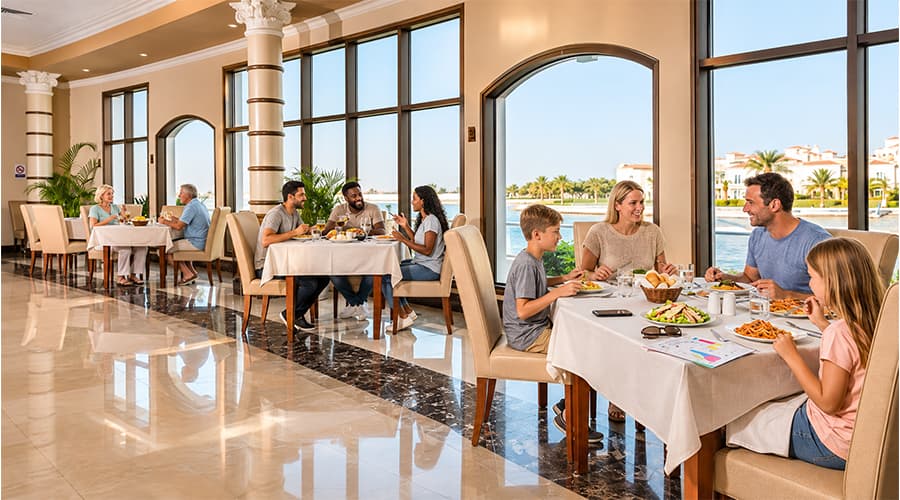
This region holds the deepest employment base in the country. Deep employment means durable housing demand and durable commercial demand, and durable demand is what separates an investment from a bet. Compare that to the hype markets. The Eastern Province is an income-and-stability case, not a speculative one, and for a serious investor that is a feature, not a limitation. The spread of Zamil residential communities across these cities is a direct read on where that demand actually sits.

The Demand Drivers Behind the Market

Follow the industrial spine and you find the demand. Aramco is headquartered in Dhahran. SABIC and the petrochemical cluster sit in Jubail, governed by the Royal Commission for Jubail and Yanbu. These are not abstractions on a map. They are tens of thousands of salaries that need housing within commuting distance, year after year.

Then there is the Vision 2030 layer on top. King Salman Energy Park, known as SPARK, is building an industrial city between Dammam and Al Ahsa, and the jobs it creates land squarely in the Eastern Province catchment. And one factor the inland markets simply do not have: the King Fahd Causeway, which hands Al Khobar a Gulf client base reaching into Bahrain. The Zamil commercial spaces are positioned against exactly this corporate and cross-border demand. The honest footnote is that an industrial economy also concentrates risk, which we will come back to.

How to Read ROI in the Eastern Province

Eastern Province ROI comes from two sources: income stability from owner-occupier and corporate demand, and capital appreciation tied to Vision 2030 infrastructure. Hold both in view, because either one alone will mislead you.

A headline yield number tells you almost nothing without the demand base behind it. A high yield in a sub-market with no employment anchor is a warning, not a win. So stop asking what the yield is and start asking what predicts it: how close is the asset to real employment, what is in the infrastructure pipeline nearby, and is supply in that specific sub-market disciplined or about to flood. Those three questions do more work than any brochure number.

Residential or Commercial: Where the Case Is Stronger

The two segments ride different horses. Residential tracks owner-occupier and family-relocation demand around the industrial employers. Commercial tracks corporate and headquarters demand in the Al Khobar business district. Here is the honest split.


Segment Demand driver Risk profile Suits
Residential Family relocation to the industrial cities Steady, broad-based Long-hold income investors
Commercial Corporate and headquarters demand Higher cycle sensitivity Investors who can read the business cycle

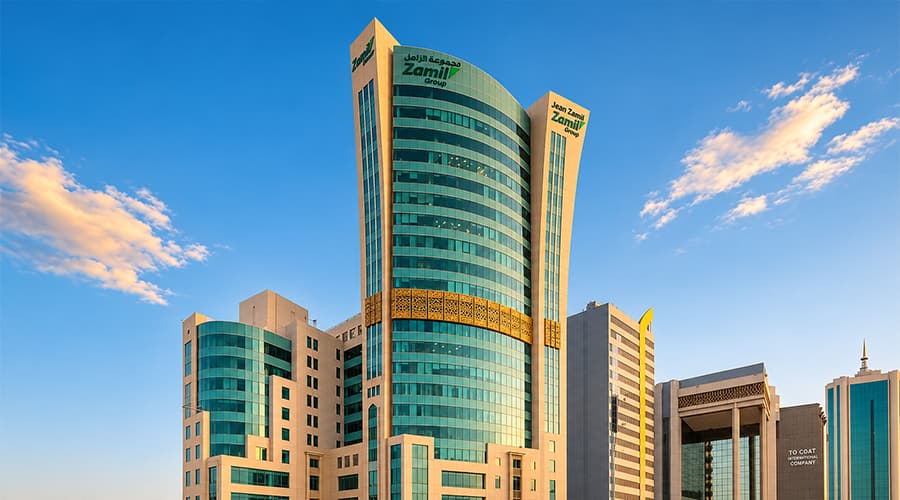
for a first Eastern Province allocation, residential near a real employment anchor is the lower-variance entry, and a community like Murjan Village in Jubail shows the pattern. Commercial rewards the investor who can time the cycle, and a business address like Zamil Tower in Al Khobar is the vehicle for that thesis. Neither is universally better. They suit different investors.

The Risks an Honest Investor Prices In

Let us name what the sales decks skip. The Eastern Province economy is concentrated in energy and industry, so a long downturn in that sector reaches the property market. Specific sub-markets see supply waves that compress returns for a few years. And liquidity in some segments is thinner than Riyadh, so your exit may take longer than you would like.

Now the other side, because a risk is not a reason to walk. That same industrial concentration is exactly what gives the demand base its depth, and Vision 2030 is actively widening the economic base beyond hydrocarbons. The investor who prices these risks honestly still finds the east one of the most underwritten markets in the Kingdom. The ones who pretend the risks do not exist are the ones who get hurt.

How to Choose Where and With Whom to Invest

Turn the analysis into a rule you can act on. Match the segment to its demand driver, check the infrastructure pipeline before you believe the growth story, and weigh the developer track record as heavily as the asset itself.


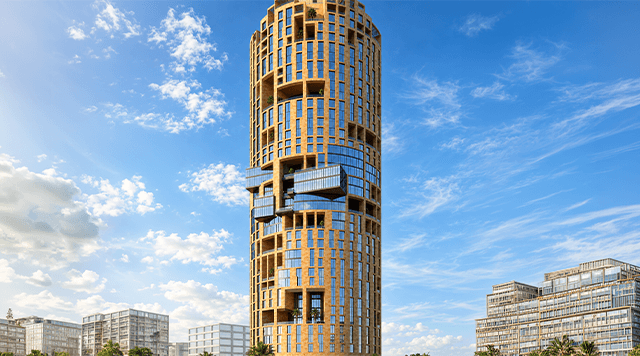
The developer is the biggest variable you control. In an off-plan or long-hold investment, the developer behind the project is the single largest risk you take on, bigger than the floor plan or the finish. A developer that disappears mid-build or neglects maintenance can erase a good location. Zamil Real Estate is a worked example of a long-track-record Saudi developer, and a capital asset like Etlal Tower in Riyadh shows the range of the portfolio beyond the east.


Common Questions on Eastern Province Real Estate Investment

Is the Eastern Province a good place to invest in real estate

Yes for an investor who values demand depth over speculation. The region industrial economy, anchored by Aramco, SABIC, and the Royal Commission, gives housing and commercial property a durable demand base that most Saudi regions cannot match.


What is the real estate ROI in the Eastern Province

Returns come from income stability driven by owner-occupier and corporate demand, plus capital appreciation tied to Vision 2030 infrastructure. A single yield figure is misleading without the employment anchor and supply picture behind it.


Should I invest in residential or commercial property

Residential tracks family relocation to the industrial cities and offers steadier, broad-based demand. Commercial tracks corporate demand in the Al Khobar business district and is more cycle-sensitive. Residential suits a first long-hold allocation; commercial rewards cycle timing.


What drives real estate demand in the Eastern Province

Employment. Aramco in Dhahran, SABIC and the petrochemical cluster in Jubail, the Royal Commission, and new Vision 2030 projects like King Salman Energy Park create a salary base that needs housing and office space within commuting distance.


What are the risks of investing here

Concentration in the energy and industrial economy, supply waves in specific sub-markets, and thinner liquidity than Riyadh in some segments. Vision 2030 diversification is widening the base, but an honest investor prices these in rather than ignoring them.
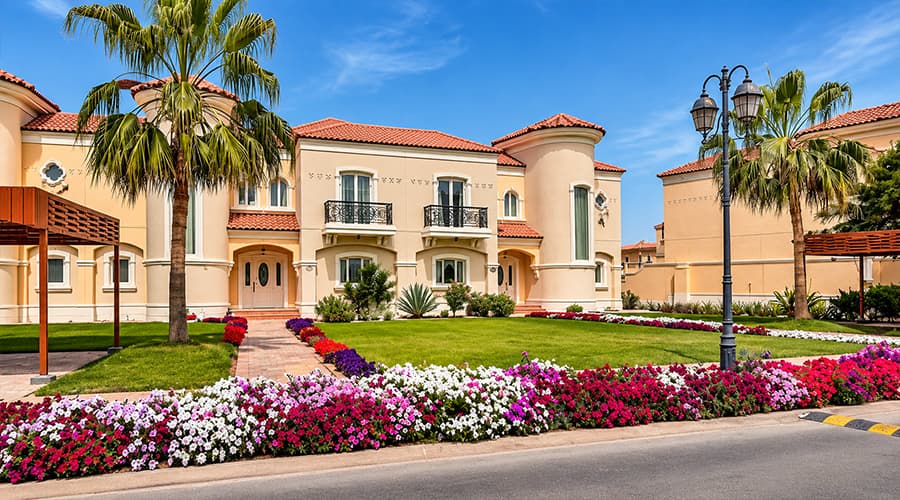
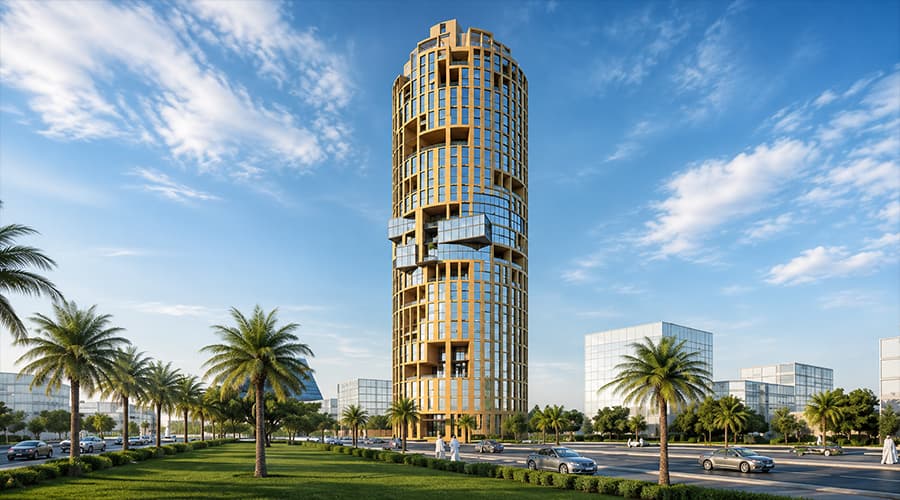
Explore Zamil Investment Communities in the Eastern Province

The strongest Eastern Province case is the one matched to a real demand driver and a developer that delivers. That is hard to judge from a spreadsheet, so start by seeing the assets in person and asking who stands behind them.

When you are ready, the team can walk you through the options, and the full Zamil residential communities overview puts the portfolio in one place.

Table of Contents

Share this Blog