What Makes a Luxury Home in Saudi Arabia: The Standards Behind Every Zamil Property

What Makes a Luxury Home in Saudi Arabia: The Standards Behind Every Zamil Property

26 November 2025
How Zamil Maintains Luxury Standards Across All Properties ?The Unseen Investment in Luxury

What Makes a Luxury Home in Saudi Arabia: The Standards Behind Every Zamil Property

A luxury home is not a label a developer stamps on a brochure. It is a set of standards you can inspect, measure, and verify before you sign. Most "luxury" developments in the Kingdom today will not survive that test. The marble is thin. The glazing is single-pane behind a thicker-looking frame. The maintenance contract disappears six months after handover. The buyer finds out usually around year two, long after the launch event is forgotten.

This guide is written for buyers who have been through that cycle once and would rather not again. It walks through the five pillars that actually define a luxury home in Saudi Arabia (location, construction, materials, amenities, and after-sales service), the standard each pillar sets, and how Zamil Real Estate has met all five across villas, apartments, towers, and compounds since the 1940s. By the end, you will have a checklist you can take to any viewing.
What Actually Defines a Luxury Home in Saudi Arabia?

A luxury home in Saudi Arabia is a residence where location, construction, materials, amenities, and after-sales service all meet an uncompromising standard. Not just the finishes that photograph well. All five pillars, documented and verifiable.

Most buyers evaluate luxury through the camera. They walk into a show villa, see Calacatta marble on the floor, Sub-Zero appliances in the kitchen, a chandelier that cost more than their car, and decide this is luxury. It is not. That is surface. Replace the chandelier next year and nothing structural has changed. Replace the countertop. Replace the paint. The home underneath is still the same shell.

Structural luxury is the shell. It is the foundation engineering that keeps the building level in year 40. The acoustic separation that lets you work from the home office while the kids are in the pool. The maintenance infrastructure that answers the phone at midnight when a pipe bursts. None of these show up in listing photos. All of them show up in the first decade of ownership.

This article covers the five pillars in the order of how much they matter long-term, with high end properties from Zamil's actual portfolio as working examples.


The Hidden Layer: Why Construction Quality Separates Real Luxury from Fake Luxury

The construction phase decides what the home will be. Everything that happens after is cosmetic. This is uncomfortable for buyers because construction is the one pillar you cannot evaluate from the brochure, from the show villa, or from the handover inspection. It takes years to reveal itself.

Four construction markers matter. Foundation engineering: how deep, what reinforcement grade, what soil treatment for high-salinity coastal sites. Structural framing: concrete mix specification, steel grade, column spacing. MEP systems: pipe grade, cable sizing, HVAC capacity designed for actual peak load not calculated averages. Envelope integrity: insulation values, waterproofing, thermal bridging.

Most developers can show you a sample panel of the kitchen countertop. Very few can show you a reinforcement drawing from a project they built in 2005 that is still trading at a premium. That is the real test.

Luxury-washing is now common in the Saudi market. A developer builds to minimum code, dresses the interior in imported finishes, prices the villa at 40% above the local average, and markets it as luxury. The structure fails the moment the finishes depreciate. By year five, buyers notice the HVAC cannot cool the top floor in August. By year ten, the maintenance bills eclipse what a well-built older villa would cost.

Serious buyers should ask one question of any best real estate developer in Saudi Arabia they consider: which of your projects from 2005 to 2010 are still commanding premium resale today? The ones who cannot answer are the ones to walk away from. Zamil Real Estate has been building in the Kingdom since 1940, which means the 40-year test has been passed in both directions.

Location: The One Luxury Standard Money Cannot Fix After You Buy

You can rebuild the kitchen. You can replace the facade. You cannot move the villa. Location is the one luxury variable fixed on day one, and it compounds for the next twenty years in both directions.

Four factors define a luxury address in the Kingdom. Adjacency to business and lifestyle anchors (not just distance in kilometres, but drive time at 7am on a Monday). Access to major corridors with multiple route options for emergencies. Outlook, which means whether the windows look at the Arabian Gulf, a mature palm canopy, or a construction site that will stay a construction site for three years. Community pedigree, the kind of neighbours who stay for decades not quarters.

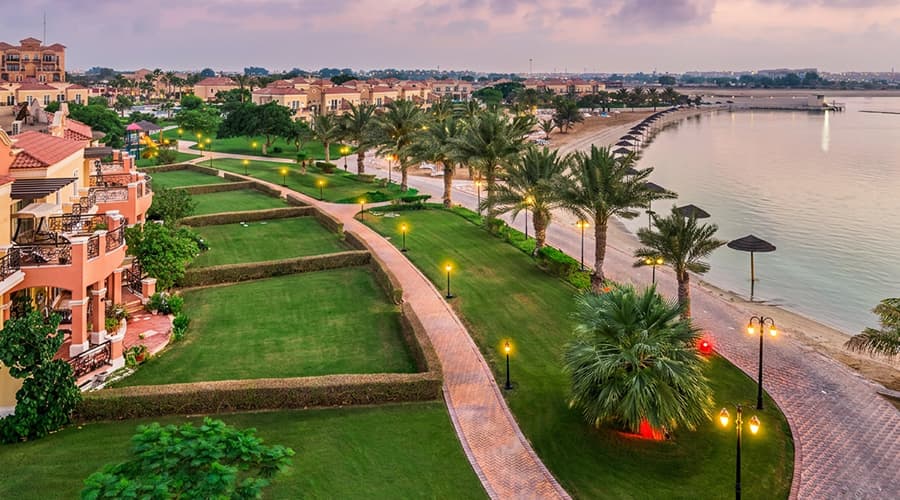
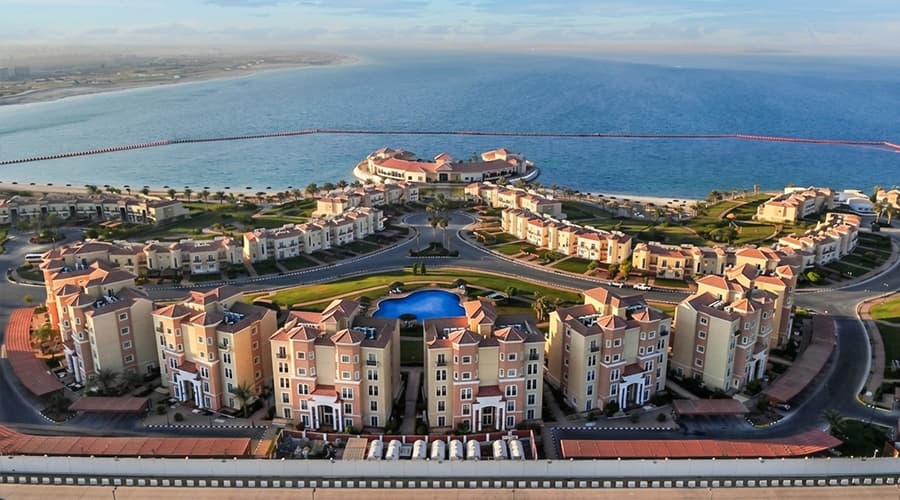
Zamil's locations map to this standard across three Saudi cities. In Al Khobar coastal, Zamil Village, Wadi Village, and Arabian Village sit inside the Eastern Province corporate corridor, close to Saudi Aramco and the King Fahd Causeway without being exposed to industrial traffic. In Jubail, Murjan Village opens directly onto the Fanatheer coastline, which is one of the last stretches of private Gulf beach any Saudi developer still holds. In Riyadh, Etlal Tower sits at Al Orouba Street and Prince Turki Al Awal Road, inside the central corporate ring.

The resale implication is unavoidable. Luxury locations hold value through market cycles. Luxury finishes depreciate from the week they are installed. If you have to pick which to invest in, pick the address.

Materials and Finishes: The Standard Most Developers Compromise On

This is where buyers can actually inspect something themselves, so this is where developers hide the compromises. Five material categories reveal whether the standards hold.

Natural stone. The question is thickness, not origin. A 20mm Italian Calacatta slab is not automatically better than a 30mm Saudi-sourced white stone if the former is a thin facing over a cheaper substrate. Ask for the specification document. Serious developers can produce it on the spot.

Hardwood joinery. Oak is not oak. European white oak at 9% residual moisture is a different product from fast-dried farmed oak at 15%, which will crack within two years of installation in Riyadh's climate. The buyer who checks the moisture certificate is the buyer who gets quality.

High-performance glazing. Double-glazed with argon fill and low-emissivity coating is the baseline for any serious luxury home in a Gulf climate. Triple-glazed on the west and south elevations is the standard that premium developers quietly adopt. Single-pane behind thick frames pretending to be double-glazed is, unfortunately, common.

Metalwork and ironmongery. Door handles, window hinges, bathroom fixtures. The 15-year test applies here. A luxury home's hardware should still operate smoothly in year 15 without rattling, sticking, or leaving green corrosion on your palms. The grade of brass and the plating process decide this.

Plumbing and electrical fixtures. Hansgrohe or a local-brand mimic? The visual difference at handover is small. The functional difference over a decade is substantial.

Boutique developments like Wadi Village in Al Khobar were built around specification documents that any resident can request. If a developer cannot produce one, the standard is not there.

Amenities That Earn Their Space (and Amenities That Just Fill a Brochure)

A 25-metre swimming pool nobody uses is not a luxury amenity. It is a maintenance line item that raises your service charge without raising your quality of life. The useful question is not what the brochure shows. The useful question is which amenities residents actually use weekly.

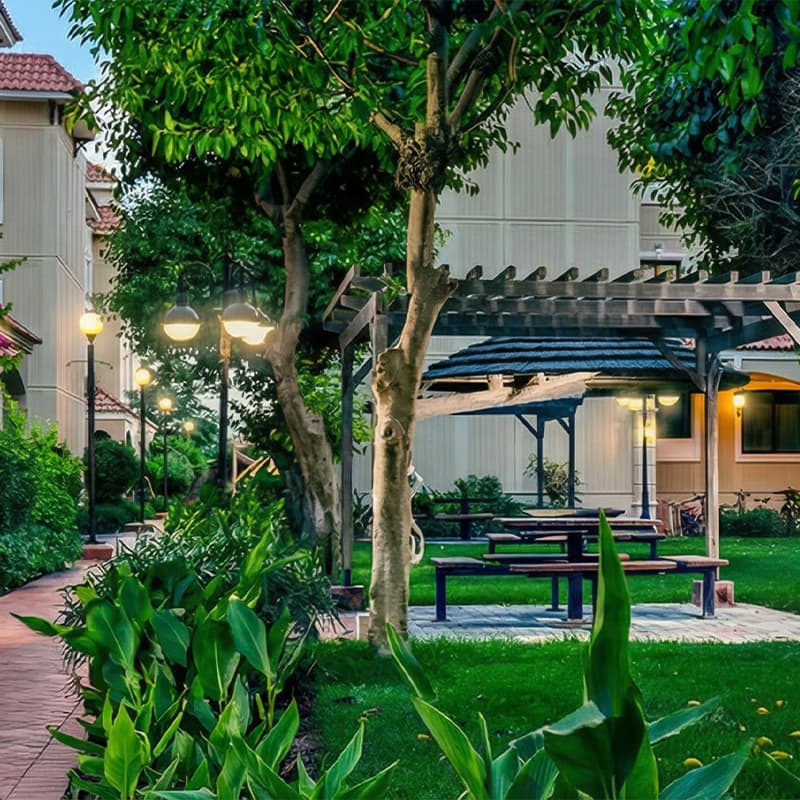
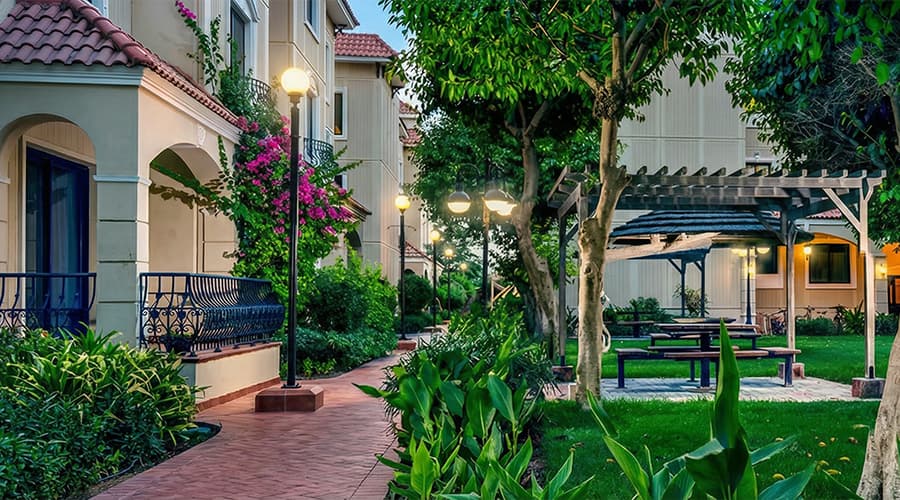
Six amenities justify their footprint. A private pool and landscaped garden where the family uses them most days. A concierge service that saves the resident two hours a week on logistics. 24/7 security with controlled access, logged entry, and a response SLA, not just a guard at the gate. A clubhouse large enough to host a majlis without renting a hotel ballroom. A gym equipped and maintained to a level residents actually prefer over commercial clubs. Integrated smart home systems that work without needing a service call every quarter.

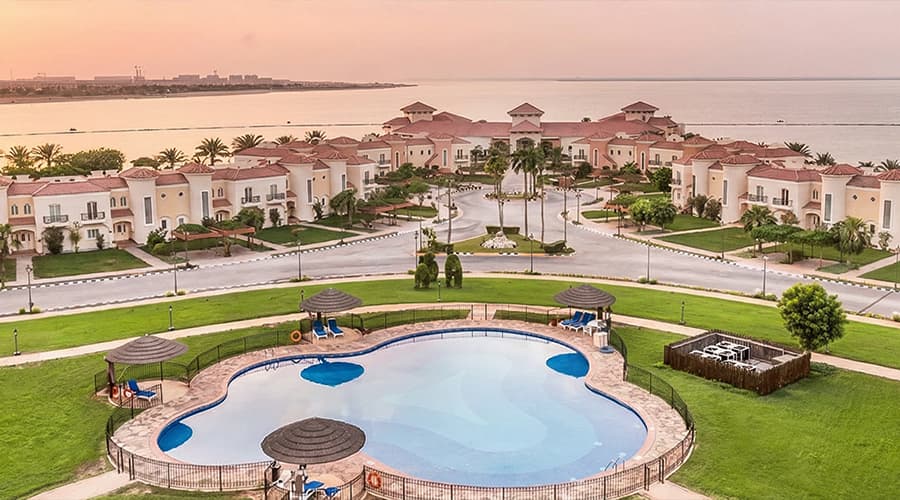
Different Zamil communities lead on different amenities. Arabian Village in Al Khobar prioritises family amenities, with a layout that places playgrounds, pools, and community spaces within walking distance of every unit. Murjan Village in Jubail invests in waterfront amenities including private beach access. Zamil Village operates as an urban resort with a wellness focus.

The usage test is the only test. Ask the sales agent for the clubhouse booking log over the last three months. If residents are actually using the amenity, there is a log. If the agent cannot produce one, the amenity exists for the brochure.

Service: The Luxury Standard You Only Notice When It Is Missing

Luxury is not a day. It is a decade. The handover ceremony lasts an afternoon. The maintenance phone number you call at 11pm when the AC fails lasts for the length of your ownership.

Four service standards matter. Handover quality, measured by the snag list the developer actually fixes versus the snag list they argue about. Maintenance response time, with specific SLAs for critical faults (AC, water, electrical) versus cosmetic ones. Concierge availability and scope. Community management continuity, where the manager who handed over your villa still runs the compound five years later.

An 80-year developer can offer this because the infrastructure exists. There are trained maintenance teams. There are relationships with Saudi contractors going back generations. There is a reputational stake in resident satisfaction that a five-year-old developer simply cannot have.

The implication for resale is measurable. A unit in a well-managed Zamil community like Zamil House trades at a premium to an identically-specified unit in a neglected community two kilometres away. The spec sheet reads the same. The lived experience is different, and buyers pay for the difference.


The 2026 Luxury Standard: Sustainability and Smart Systems

Luxury has evolved. It used to mean opulence, more marble, more gold, more size. It now means intelligent sustainability, lower bills, lower footprint, higher comfort. The modern luxury home design question is no longer how big it is, but how well it works.

Four modern markers define this standard. Energy-efficient envelopes that cut cooling bills by 30% to 40% without compromising comfort. Integrated smart home systems that control lighting, climate, security, and entertainment from one interface. Water conservation infrastructure, including greywater recycling and smart irrigation. Sustainable material sourcing with documented provenance.

Why do 2026 Saudi buyers prioritise this? Three reasons. Lower lifetime cost of ownership, where energy and water bills over 20 years exceed the premium you pay for an efficient home. Vision 2030 alignment, which signals buyer sophistication to the next generation. Resale demand from a buyer cohort that will not accept a 2010-grade thermal envelope at any price.

Etlal Tower in Riyadh is designed around this standard, with smart systems built into the fabric rather than bolted on. Older Zamil communities are being retrofitted progressively toward the same standard.

How Zamil Applies These Standards Across the Portfolio

Six Zamil properties. Six different takes on how the five pillars combine for different buyer profiles.

Zamil Village in Al Khobar is an urban resort for families who want wellness, generous landscaping, and community without leaving the Eastern Province corporate heart. 254 units. Leads on amenities and location.

Wadi Village in Al Khobar is a boutique community of 52 units for buyers who value privacy and acoustic separation over size. Leads on construction and materials. The low density is deliberate.

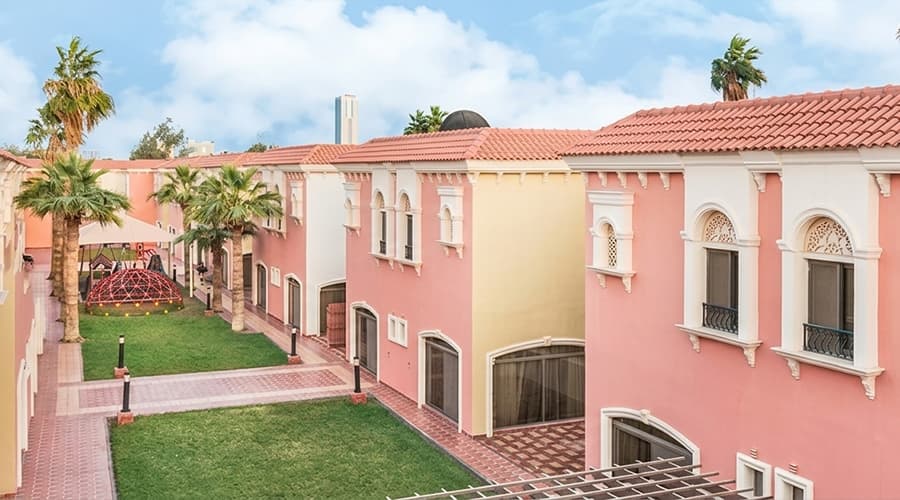
Arabian Village in Al Khobar sits at 133 units, built for family stability, with a design that reads the Eastern Province climate honestly through deep shading, cross-ventilation, and thermal mass. Leads on construction and family amenities.

Murjan Village in Jubail offers 343 units with private beach access on the Fanatheer coast. The lifestyle pillar is the differentiator. Few Saudi developers still hold waterfront land of this calibre.

Etlal Tower in Riyadh is a mixed-use tower that layers residential and office floors with independent access. Leads on smart systems and location.

Zamil House in Al Khobar sits in the commercial luxury segment for regional headquarters and senior tenants, on the coastal highway. Leads on service and infrastructure.

Each project leads on different pillars. Every one meets a baseline on all five. That is the standard, and it is why Zamil holds the position of a true luxury developer in Saudi Arabia.

The Buyer's Luxury Checklist: How to Evaluate Any Home Before You Commit

Ten points. Use this at any viewing, Zamil or otherwise. If a property passes eight of ten, it is a serious luxury home. Below six, it is marketing.

  1. Ask to see a specification document for the finishes. If one does not exist, the finishes are not held to a standard.

  2. Ask which of the developer's projects from 2005 to 2010 still command premium resale. The ones who cannot answer are the ones to pass.

  3. Walk the perimeter of the plot at 8pm on a weekday. Listen for traffic noise, construction noise, and voices from neighbouring plots. What you hear tonight is what you will hear every night.

  4. Visit the show villa during the hottest hour of the day in June or July if possible. Note how the HVAC performs on the top floor. Thermal design shows itself under load.

  5. Ask about the maintenance SLA document. Response times for AC failure, water leaks, and electrical faults should be specific hours, not vague commitments.

  6. Request the clubhouse booking log for the last three months. Low usage means the amenity exists for the brochure, not the resident.

  7. Ask who the community manager was two years ago and who they are now. Continuity signals a developer who invests in service.

  8. Inspect the window hardware personally. Open, close, lock, unlock. Rattling or sticking indicates sub-standard metalwork.

  9. Confirm the glazing specification. Double-glazed with argon fill and low-emissivity coating is the baseline. Anything less fails modern standards.

  10. Ask the sales team what has gone wrong at previous projects. Honest developers will tell you, and show you how they fixed it. Developers who claim nothing has ever gone wrong are not credible.

If a luxury compound in Saudi Arabia passes all ten, it is operating at the top end of the market.


Explore Luxury Living with Zamil Real Estate

The five pillars are hard to judge from a brochure. Book a visit. Walk the plot at your own pace. Test the hardware. Ask the uncomfortable questions. One honest viewing tells you more than ten pages of specifications.

Zamil Real Estate serves Al Khobar, Jubail, and Riyadh. Talk to the sales team by phone or WhatsApp to arrange a viewing at the community that matches your family and your standards. For the full portfolio across villas, apartments, towers, and compounds, see the residential communities page.

Table of Contents

Share this Blog