
How to Choose a Comfortable Home in Saudi Arabia: A Design First Buyer Guide

How to Choose a Comfortable Home in Saudi Arabia: A Design First Buyer Guide

6 January 2026
Wellbeing by Design: Creating Truly Comfortable Living Spaces

How to Choose a Comfortable Home in Saudi Arabia: A Design First Buyer Guide

A comfortable home is not the sofa you sit on, the paint on the wall, or the size of the kitchen. It is the way the whole house speaks to your body and your mind, every single day, without you thinking about it. Comfort is what makes you sleep better, focus longer, and feel calmer the moment you walk through the door. Everything else is decoration.

This guide is written for families and buyers who are about to make a decision, not for decorators looking for style inspiration. It walks through what actually makes a home comfortable, backed by design science, and grounded in the realities of the Saudi climate and lifestyle. By the end, you will have a practical framework to evaluate any home before you commit, and a clearer view of why some houses feel right the moment you step inside while others never do.
What Actually Makes a Home "Comfortable"?

A comfortable home is one designed so its light, air, sound, and spatial layout actively reduce daily stress, not just look pleasant on a viewing day. That definition is worth carrying through the rest of this article, because it separates two very different layers most buyers accidentally mix up.


The first layer is surface comfort. This is what your eye picks up in a viewing: the furniture, the color palette, the finish of the countertops, the size of the balcony. Surface comfort is real, but it is also swappable. You can change every visible element of a house next year without touching the building itself.


The second layer is structural comfort. This is what the house was built with, not what was placed inside it. It is decided by the architect and the developer long before the property is listed, and it stays for the life of the building. The four pillars of structural comfort are natural light, acoustic zoning, thermal control, and privacy. This guide covers all four in the order that matters most for a family villa in the Kingdom.


The sofa can be replaced next year. The shell of the home cannot. The rest of this article is about the shell.

The Hidden Layer: Why Invisible Design Elements Matter Most

The human brain reads a room in seconds, and it reads it through cues you cannot see. Bad lighting signals stress before you consciously notice it. Constant background noise disrupts sleep without waking you up. An unbalanced spatial layout, where rooms feel too tight or too exposed, triggers a low grade unease that follows you all day. This is the hidden layer of comfortable homes Saudi Arabia buyers are quietly starting to prioritize, and it is the layer that separates a house that photographs well from a house that lives well.

The invisible layer costs more upfront. A better insulated wall, a higher grade glazing system, a floor plan drawn around acoustic zoning rather than square meter count, all of these show up in the initial development budget. But they pay back over the entire life of the property. Visible upgrades depreciate the moment they are installed. Structural wellness home design compounds every year the family lives inside it.

Four pillars carry this hidden layer through the rest of the guide: natural light, sound, temperature, and privacy. Each earns its own section below.


How Natural Light Shapes Mental Wellbeing at Home

Natural light lifts mood, regulates sleep, reduces fatigue, and raises quality of life. Every one of those benefits is measurable, and every one is directly tied to how a home is oriented and glazed at the drawing board stage. In a Saudi climate, the trick is capturing that light without capturing the heat that comes with it.

Four measurable benefits deserve attention. Mood improves because daylight regulates serotonin. Circadian rhythm stabilizes because the body reads morning light as its natural wake signal. Daily energy stays higher because dim indoor lighting is a known driver of afternoon fatigue. And overall quality of life in Saudi Arabia rises, because a home that feels alive throughout the day is a home you actually enjoy being inside.

Four design responses handle the Saudi paradox of wanting more light and less heat at the same time. Windows are oriented to catch the softer angles of morning and evening light while minimizing direct midday exposure. Smart shading, whether through mashrabiya inspired screening or motorized louvers, filters harsh sunlight without blocking the view. High efficiency glazing lets visible light in while reflecting infrared heat. And heat rejecting films add a final layer that keeps rooms bright but noticeably cooler.

The outcome is what design does best: bright, calm, eye comfortable rooms that feel alive from morning to evening, without the thermal penalty that used to come with large windows in this climate. Communities like Zamil Village apply this thinking as a baseline, not an optional upgrade.

Acoustic Comfort: The Sound Design of a Quiet Home

A comfortable home does not fight noise. It plans around it. Bedrooms sit away from traffic facing walls. Social zones do not bleed into rest zones. Every wall inside the building is treated as an acoustic decision, not just a structural one. This is the sound design of a quiet home, and once you notice how much peace it creates, you will hear its absence in every home that lacks it.

Four design mechanics do most of the work. Sound insulation inside exterior walls blocks street noise before it reaches the living area. Thicker interior partitions between rooms prevent conversations, televisions, and appliances from bleeding across the floor plan. Sound absorbing finishes, from softer floor materials to acoustic ceiling panels, dampen echo inside busy rooms. And full acoustic isolation between floors, essential in multi story villas, keeps upstairs footsteps from becoming downstairs stress.

The compound effect is direct. Better sound design measurably improves sleep quality, focus during work from home hours, and stress recovery in the evening. Boutique developments such as Wadi Village were designed with this principle in mind, treating quiet as a feature, not an afterthought.

There is a simple test any visitor can run before committing. Stand in what will be the master bedroom during peak traffic hours, and just listen. What you hear at that moment is what you will hear every night for the length of the lease.

Thermal Comfort in a Saudi Climate: Design That Handles the Heat

Thermal comfort in Saudi Arabia is not one system. It is four systems working together: advanced HVAC, high grade thermal insulation, double glazing, and smart facades that reduce heat transfer at the exterior envelope. Any single element working alone will always disappoint, no matter how premium it is.

The reason is simple. A high end air conditioner inside a poorly insulated building spends the entire day fighting a heat load that a better envelope would have blocked in the first place. Comfort is not raw cooling power. Comfort is thermal stability, where the temperature in every room stays where you want it, without the unit ever needing to run at maximum. That stability is a design outcome, not an equipment purchase.

The year round benefit is measurable. Stable indoor temperature summer and winter, meaningfully lower monthly energy bills, and rooms that feel consistent whether the outdoor temperature is forty five in July or sixteen in January. Over a twelve month cycle, the difference between a well designed thermal envelope and a poorly designed one adds up to a number worth reading before you sign.

Modern villa developments such as Arabian Village are engineered around this integrated view of thermal comfort, treating the four systems as one connected decision from the first architectural drawing.

Privacy and Security as the Foundation of Peace

Privacy is the foundation every other pillar rests on. Without it, natural light becomes exposure, quiet rooms become watched rooms, and thermal comfort no longer matters because the mind cannot rest. A comfortable home is a private home, and privacy in the Kingdom is designed in two layers.

The first layer is physical security. This is the visible infrastructure: 24/7 patrols, monitored entries, smart access systems, controlled parking, and surveillance at community perimeters. These systems are the tools most gated community villa developments already provide, and their presence is what most buyers ask about first.

The second layer is emotional security, and it matters more than most brochures admit. Emotional security is designed, not installed. It comes from lines of sight, so that neighboring windows do not look into your living room. It comes from courtyard placement, so private outdoor space is shielded from the street. It comes from green screening and setback distances that create a natural buffer between the home and the traffic beyond. The goal is to feel safe without ever feeling enclosed.

Both layers together produce something a single security guard cannot: a house that lets the body relax the moment you close the front door.

The Comfort Checklist: How to Evaluate a Home Before You Commit

Comfort is hard to judge from a brochure and easy to judge from a well timed visit. Use this eight point checklist on any shortlisted property before you commit.

  • Visit at three different times of day. Morning light shows how the house handles daylight. Midday heat exposes the thermal envelope. Evening quiet reveals what the acoustic design actually delivers.

  • Ask about wall and ceiling insulation ratings. Anything below current Saudi building code standards is a red flag.

  • Confirm the glazing specification. Double glazing with a low emissivity coating is now the working baseline.

  • Ask about sound isolation between units and between floors. This is one of the fastest ways to separate serious developers from cosmetic ones.

  • Inspect HVAC design, not just capacity. Zoning, redundancy, and how the system handles peak summer load matter more than the sticker on the compressor.

  • Check the number and orientation of windows in each room. A bedroom with only one small window is a comfort problem that furniture cannot fix.

  • Walk the perimeter of the plot to feel privacy in real terms. Where does the neighboring window look? Where does the street noise come from?

  • Ask the sales team direct questions about physical security, access control, and after sales service. If answers feel rehearsed, keep looking.

If a home passes all eight, you are looking at the top decile of the best family villa Saudi Arabia has on offer today. If it fails three or more, no amount of interior styling will fix it.

How Zamil Designs for Comfort: Communities Built Around Wellbeing

Zamil is one of the longest standing residential developers in the Kingdom, and the four pillars covered above are not marketing language for them. They are architectural decisions built into every project from the first drawing. Five residential communities across Al Khobar, Jubail, and Riyadh apply this philosophy in different ways, each tuned to a different family profile.

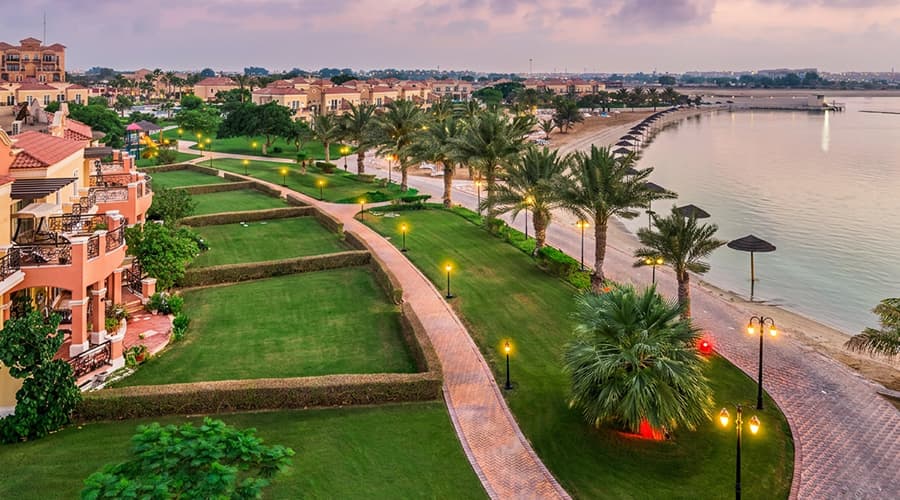
Zamil Village in Al Khobar is built around holistic wellness, with generous natural light, extensive landscaping, and a spatial layout that leans heavily on the light and privacy pillars.

Wadi Village in Al Khobar is a boutique community focused on cultural depth and acoustic privacy, designed for families that value quiet as a daily luxury.

Arabian Village in Al Khobar is engineered around family stability and thermal comfort, with a design that responds specifically to Eastern Province climate patterns.

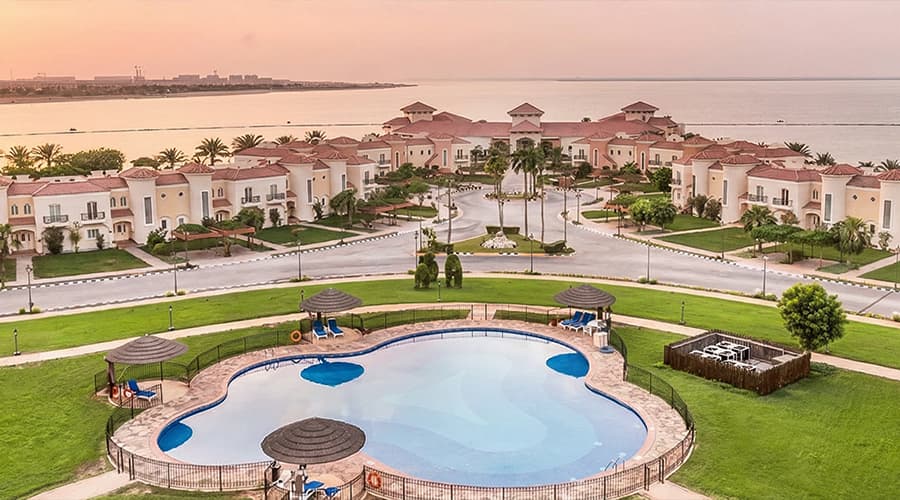
Murjan Village in Jubail brings coastal resort living to the Kingdom's east coast, with a design personality that emphasizes light, air movement, and outdoor space.

Etlal Tower in Riyadh translates the same four pillars into vertical living, with smart design and integrated technology that make wellness workable inside a tower format.

Each community leads with a different pillar, but every one applies all four.

Explore Zamil's Residential Communities

The four pillars are hard to judge from a brochure and impossible to judge from a photograph. Book a viewing, walk the space at your own pace, and feel the light. Listen for the quiet. Notice the airflow. Comfort reveals itself to the body before the mind, and one honest visit tells you more than ten pages of specifications ever will.

Zamil Real Estate, Al Khobar, Jubail, and Riyadh, Saudi Arabia. Talk to our sales team by phone or WhatsApp to arrange a viewing at the community that best matches your family, or explore our residential communities page to see the full range before you book.

Table of Contents

Share this Blog