Workspace Riyadh: How Modern Businesses Choose Their Next Purposeful Workspace

Workspace Riyadh: How Modern Businesses Choose Their Next Purposeful Workspace

8 January 2026
Workspaces with Purpose

Workspace Riyadh: How Modern Businesses Choose Their Next Purposeful Workspace

A workspace Riyadh companies actually want to walk into every morning is no longer a cost line. It is a business tool that shapes focus, culture, and long term performance. Rents cycle, teams grow, and hybrid schedules shift, but the space itself has to keep doing three things: draw talent, respect the way real work happens, and hold up as the business scales. This guide walks through the three pillars behind a purposeful workspace (location, design, and smart technology), the formats available in Riyadh today, and how to shortlist the right one for your company.


What Is a "Workspace With Purpose"?

A workspace with purpose is a workplace designed to actively lift focus, collaboration, and productivity, rather than simply house employees. Four terms are used interchangeably in the market, so it helps to separate them before going further. An office is the room. A workspace is the designed environment inside and around that room. A business center is a full building organized around workspaces for many tenants. A coworking space is a specific shared model where multiple companies share the same open floor. The rest of this article covers purposeful workspaces across all four formats, with real examples drawn from Zamil's own developments in Riyadh and the Eastern Province.

Why Office Location Shapes Company Performance in Riyadh

Location decides more than a commute. In Riyadh specifically, the right address moves four things at once: employee retention through shorter commutes, client trust through a familiar business address, deal flow through proximity to financial and government centers, and brand signal through the corridor your address sits on.

Three corridors currently anchor purposeful workspaces in the city. King Fahd Road runs through the corporate heart of northern Riyadh and remains the default address for enterprises. KAFD, the King Abdullah Financial District, concentrates finance, regulators, and Vision 2030 flagship projects in one district. The central spine formed by Prince Turki Al Awal Road and Al Orouba Street links central Riyadh to the northern business belt and has become a natural home for growing companies that want proximity to both the CBD and the city's residential heart. The compound effect is real, and it shows up in retention numbers before it shows up on a P&L. A workspace sitting on the right corridor gets prospects to walk in, keeps senior staff from asking about the drive, and shortens the loop between meetings. This is exactly why Zamil placed its Home Offices development at the intersection of Al Orouba Street and Prince Turki Al Awal Road, connecting founders and hybrid teams to the arteries the city actually runs on.
The Design Shift: From Static Offices to Flexible Workspaces

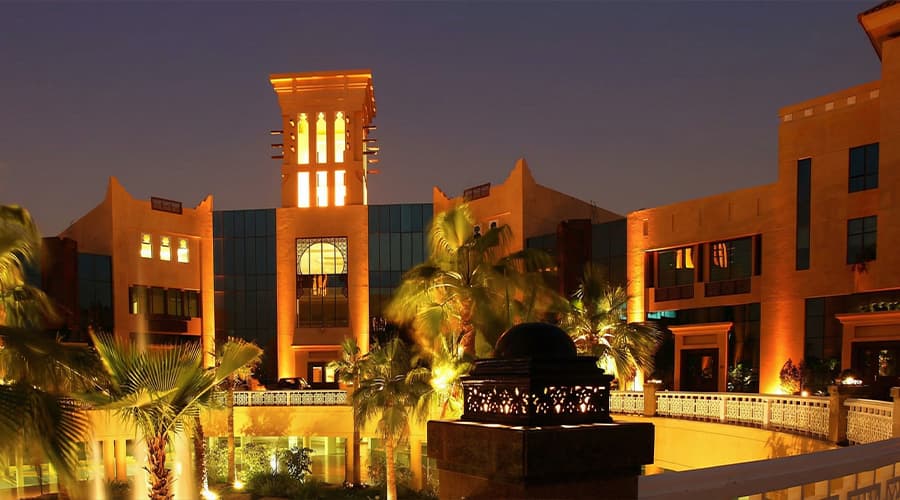
The static office assumed everyone worked the same way. The purposeful workspace assumes different tasks need different rooms. Modern flexible workspaces are laid out around five zones that each earn their space:

  • Focus rooms for deep work and concentration.
  • Open commons for brainstorming, informal discussion, and team energy.
  • Small meeting rooms sized for hybrid calls where half the participants dial in.
  • Social lounges that build community without eating into productive hours.
  • Clear circulation paths that make the space easy to move through.

The hybrid work era multiplies why this matters. When half the team is remote on any given day, the physical space has to earn its use, because people will not commute to sit in a room they could have used at home. 

The Smart Office: How Technology Future-Proofs Your Workspace

A smart office is not the office with the most gadgets. It is the office that uses building technology to reduce the friction and cost of running a workspace, and to protect it against future infrastructure changes. Four capabilities separate a genuinely smart office from a marketing one:

  • Occupancy aware lighting and cooling that respond to how many people are actually in the room.
  • Dual fiber redundant internet so a single line failure never stops the workday.
  • Controlled visitor and access management, with logged entry and secure zone controls.
  • Real time environmental monitoring covering air quality, temperature, and energy use.

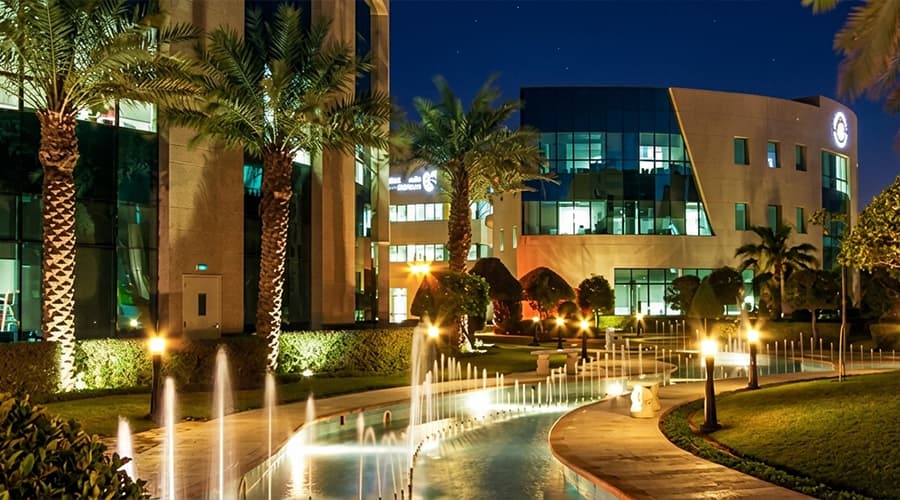
The payoff shows up in three places at once: lower operating costs, higher tenant retention, and readiness for future digital services. Zamil House in Al Khobar, positioned on the coastal highway, treats these four capabilities as baseline infrastructure rather than premium tier options, and is one of the reasons the building remains a preferred corporate address for companies operating across the Eastern Province.

Workspace Formats in Saudi Arabia: Home Offices, Business Centers, and Executive Suites

Four workspace formats now dominate the Saudi market, and each fits a different company profile:

  • Home offices: compact private units built for founders, small teams, and hybrid setups. Adjustable layouts, professional design, and a cost profile suited to early stage growth. Zamil's Home Offices concept applies this format directly, with logistics, banking, and travel booking services available on site so operational overhead stays low.
  • Business centers: full commercial buildings for mid sized and large tenants. Address value, integrated amenities, and infrastructure sized for hundreds of employees. Zamil House operates at this level, with different flavors depending on whether the company prioritizes a coastal Eastern Province address or a mixed use central Riyadh location.
  • Executive suites: senior leadership setups inside larger buildings, positioned for confidentiality, prestige, and client facing meetings.
  • Shared and hybrid spaces: flexible project based use, useful for short engagements or overflow, less suited as a permanent brand address.

There is no universally best format. A three person consultancy running two days in office each week has a very different shortlist from a fifty person regional team. The right choice tracks with your team size, growth curve, and how much of your business happens in person.

How to Choose the Right Workspace in Riyadh

A workspace decision rarely comes down to price alone. Use this five step framework:

  • Define team size and growth curve. Where will you be in eighteen months, not just today?
  • Decide location priorities. Are you optimizing for client visits, talent access, or operating cost?
  • List amenity must haves. Meeting rooms, focus space, on site parking, food and beverage. Cut the nice to haves.
  • Evaluate the technology infrastructure. Internet redundancy, access control, environmental systems, energy monitoring.
  • Visit at least two shortlisted workspaces. Walk the floor, look at the meeting rooms, ask about noise on peak days.

Shortlists made on brochures alone almost always disappoint. Walking the space is the step that reveals what a floor plan cannot show. To start visits with a developer that has built purposeful commercial spaces in the Kingdom for over eight decades, explore Zamil's commercial developments.

Zamil's Approach: Home Offices and Zamil House

Zamil is one of the longest standing developers of purposeful workspaces in the Kingdom, with three flagship products designed for very different tenant profiles.

  • Home Offices in Riyadh: a mixed use investment concept at the intersection of Al Orouba Street and Prince Turki Al Awal Road, purpose built for founders, startups, and hybrid teams. Independent office entries, integrated banking and logistics services, and a cost profile matched to the growth stage of most young companies.
  • Zamil House in Al Khobar: a modern commercial address on the coastal highway, sized for regional headquarters, mid to large tenants, and companies that treat the Eastern Province as a serious business market rather than a satellite.

All three products apply the same three pillars covered above: a genuine location advantage, purposeful design, and smart technology as the baseline rather than the upgrade. Full details on the commercial portfolio, along with Zamil's residential communities, sit on the group's official communities pages.

Explore Modern Workspaces With Zamil Real Estate

The best workspace decision is made in person. Book a tour of Home Offices, Etlal Tower, or Zamil House to see the three pillars applied on the ground: how the location handles a real Saudi workday, how the design absorbs a hybrid schedule, and how the technology stays out of your way while it does its job.

Zamil Real Estate, Riyadh, Al Khobar, and Jubail, Saudi Arabia. Contact our sales team to arrange a workspace tour that fits your company's stage, or browse the full commercial and residential portfolio before you book.

Table of Contents

Share this Blog